Broadcast Blackjack Insights: The Role of Visual Framing and Timing in Decision Making
Written by Parker Franke · Nov 16, 2026
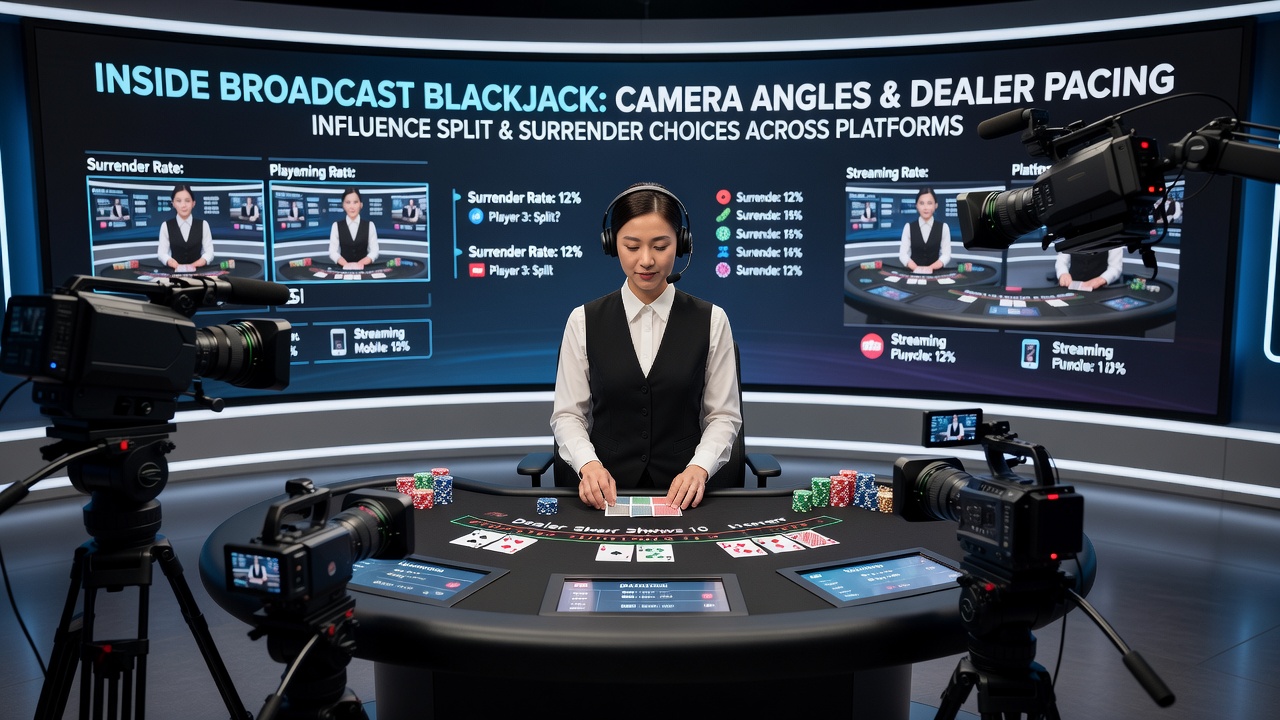
Broadcast Blackjack Insights: The Role of Visual Framing and Timing in Decision Making
Camera positioning and dealer rhythm shape how participants evaluate split and surrender options in broadcast blackjack formats, with platforms deploying distinct visual and timing configurations that alter information delivery during live sessions. Research from industry reports shows these elements vary by provider and region, creating measurable differences in how players process card visibility and response windows.
Camera Configurations Across Studios
Multiple overhead and side-mounted lenses capture dealer movements and card reveals, yet each setup prioritizes different focal points that affect split evaluations when paired hands appear. One configuration emphasizes the dealer's right hand during the second card placement, allowing clearer observation of suit and rank sequences, while another directs attention toward community card areas that influence surrender timing before the next action phase begins. Data from platform comparisons indicate these framing choices correlate with variations in decision speed across European and North American broadcasts.
Observers note that angled close-ups on individual card corners can highlight potential pair formations earlier in the cycle, prompting split considerations when the broadcast feed switches perspectives mid-hand. Such shifts occur more frequently in multi-camera environments where directors alternate between wide table shots and isolated card details.
Dealer Pacing Patterns and Response Windows
Timing intervals between card deliveries create distinct pressure points for surrender selections, particularly when dealers maintain consistent pauses that allow extended visual confirmation of initial hands. Platforms operating under stricter regulatory frameworks often standardize these intervals, whereas others permit greater flexibility that shortens the window between reveal and prompt. Figures from operational analyses reveal average pacing differences of two to four seconds per action across major studios, directly impacting the moment players must commit to splitting pairs or surrendering against strong dealer upcards.
Those monitoring broadcast feeds report that accelerated rhythms tend to cluster decisions toward earlier phases of the hand, reducing opportunities for second looks at card orientations. Slower cadences, by contrast, extend the period available for cross-referencing visible information before final selections occur.
Platform Variations in November 2026
Updates scheduled for November 2026 across several international providers introduce enhanced camera synchronization tools that align multiple angles in real time, reducing latency between visual cues and player prompts. These adjustments coincide with revised operational standards from the Nevada Gaming Control Board that emphasize consistent dealer timing protocols for cross-border feeds. Industry data indicate early adoption has already produced measurable shifts in how split opportunities register when paired cards receive simultaneous multi-angle coverage.
Additional modifications include refined pacing algorithms that adapt to regional latency requirements, ensuring Australian and Canadian audiences receive comparable decision intervals despite geographic distance from primary studios. Research indicates these changes maintain core mechanics while altering the sensory input players receive during critical choice moments.
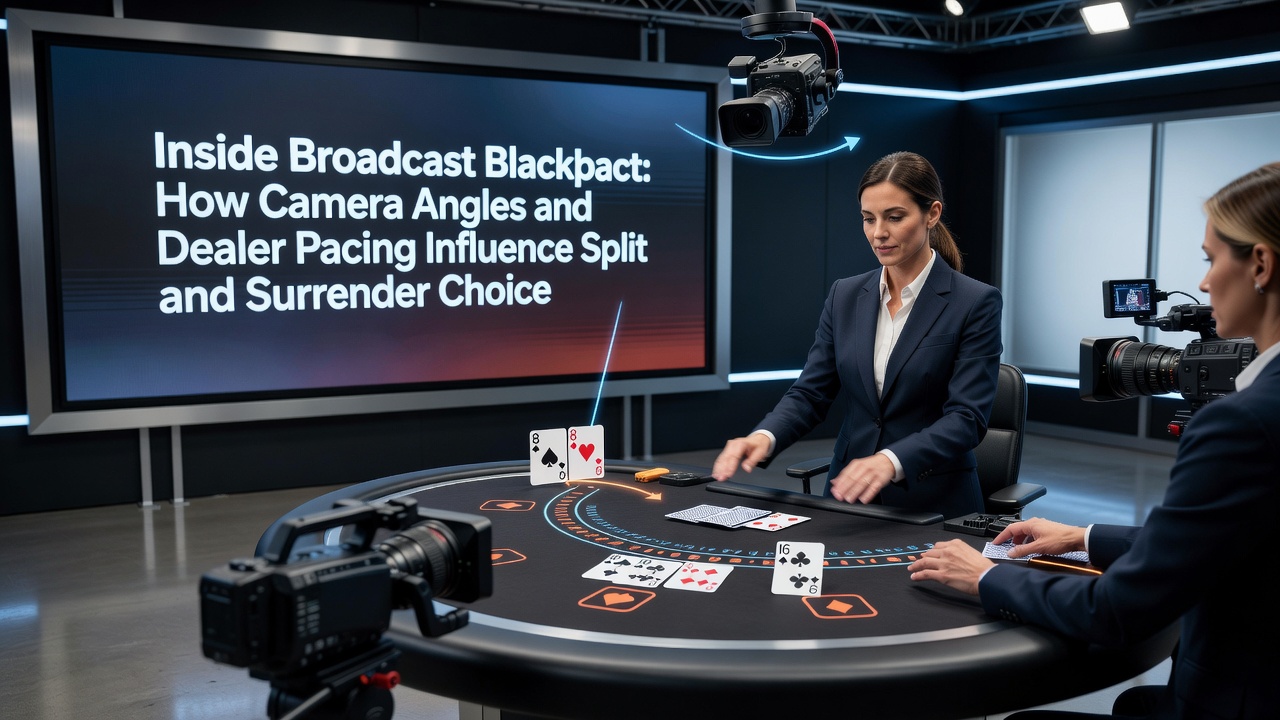
Strategic Implications for Split and Surrender Choices
Evidence from operational reviews demonstrates that enhanced card visibility through targeted angles increases the frequency of split attempts when low-value pairs appear against neutral dealer cards. Conversely, compressed pacing intervals correlate with higher surrender rates in scenarios where quick visual confirmation of dealer strength becomes limited. Cross-platform studies conducted through 2025 and into 2026 highlight these patterns without attributing causation to any single variable.
Regulatory bodies in multiple jurisdictions track these interactions to ensure broadcast consistency meets established fairness benchmarks. One academic analysis from a North American gaming research center found that angle transitions occurring within the first three seconds after card placement produce distinct clustering in player responses compared to delayed switches.
Conclusion
Technical elements of camera placement and dealer rhythm continue to define information flow in broadcast blackjack environments, with documented effects on split and surrender execution across diverse platforms. Ongoing refinements scheduled for late 2026 reflect broader efforts to standardize these variables while preserving regional operational differences. Available data from regulatory and academic sources provide the foundation for understanding these dynamics without prescribing specific approaches.